Brampton Janitorial Experts
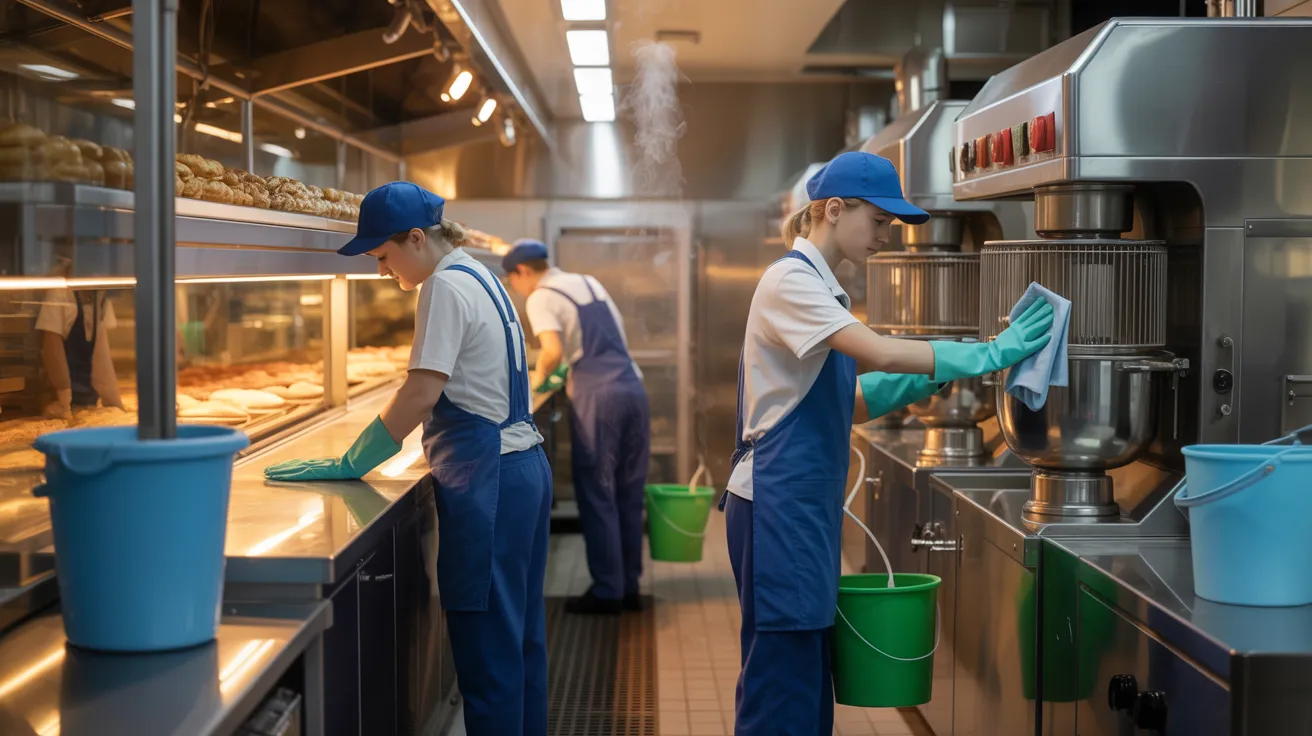
Food safety and commercial cleaning experts in Brampton assist you in maintaining restaurants, food supply centers, bakeries, warehouses, and food service units to code. They disinfect frequently touched areas, food preparation zones, equipment, floors, drains, restrooms, and prep areas with approved chemicals, proper dilution, and recorded contact times.
Key Takeaways
- Brampton sanitation experts assist restaurants, grocery departments, commissaries, warehouses, bakeries, schools, mobile vendors, and allergen-sensitive operations.
- Sectional methods treat frequently contacted areas, food-contact equipment, kitchens, floors, drains, restrooms, and storage areas for preventing cross-contamination.
- Confirmation of proper chemical concentration, appropriateness, and contact time is executed by approved contractors, with finalization recorded using checks, assessments, and remedial documentation.
- Threat, production volume, format changes, releases, and regulations must inform sanitation timelines, with routine, recurring, and periodic operations allocated by location.
- Choose vendors with HACCP, health regulatory, expertise, WHMIS, training, protection, credentials, color-coded equipment, and assessment-ready sanitation records.
What Brampton Venues Require Food Safety Cleaning?
You must maintain food safety cleaning if your business is regulated by public health inspection, food premises regulations, or internal HACCP-based controls. This covers food venues, break rooms, food centers, supermarket areas, butcheries, seafood displays, shops, and commercial food prep.
You also need compliant food safety cleaning in supply warehouses, manufacturing facilities, refrigerated storage, bakeries, school feeding programs, reception facilities, and delivery centers. Mobile and seasonal operations count too, including food trucks, event vendors, and temporary booths. If your staff work with raw supplies, divide prepared foods, warm dishes, or organize allergen inventory, your facility needs recorded sanitation procedures. In Brampton, sanitation isn't optional; it's part of lawful, functional, and customer safety adherence.
What Do Brampton Cleaning Experts Clean?
You need skilled cleaning experts who sanitize frequently touched areas, cooking areas, floor areas, and restroom facilities to ensure compliance with food safety and health standards. These locations are prioritized due to their high cross-contamination potential, falling hazards, and regulatory breaches.
By understanding their service scope, you are able to confirm your facility's cleaning procedures satisfy all operational and regulatory requirements.
Important High-Touch Surface Sanitizing
structure sanitization intervals according to foot traffic, environmental hazards, and business activities.
verify that sterilization was adequate
Food Prep Areas, Flooring, and Sanitary Facilities
Professional cleaners in Brampton concentrate on kitchens, floors, and restrooms given that each location involves distinct food safety, slip-and-fall, and health code requirements. In industrial kitchens, you need grease removal from cooking stations, appliance surfaces, drain systems, preparation areas, and backsplashes to reduce bacterial growth and pest activity.
Documented floor maintenance is likewise provided as part of the service.
For restroom sanitation, cleaners disinfect high-touch surfaces, bathroom fixtures, stall dividers, supply dispensers, and trash receptacles, then replenish amenities and manage odor. They also maintain restaurant cleaning supply rooms where product storage, sink cleanliness, and drain systems impact daily sanitation standards and worker protection.
The Importance of Food Safety Cleaning in Brampton
Brampton facilities demand proper hygiene find now standards to fulfill compliance obligations and pass inspections. You also minimize cross-contamination by cleaning and sanitizing food-contact surfaces, equipment, and high-touch areas correctly. Most importantly, you safeguard community wellness by reducing the chance of food poisoning in your establishment.
Food Safety Regulations
Since Brampton food companies must follow mandatory safety protocols, your sanitation practices directly determines your competence to adhere to health codes, protect diners, and avoid regulatory penalties. You must maintain sanitized food contact points, documented cleaning schedules, correct sanitizer application, and verifiable staff procedures that meet municipal and provincial inspection expectations.
Robust cleaning systems supports allergen reduction by limiting particles on shared equipment and high-touch areas.
Cross-Contamination Prevention
Meeting regulatory requirements also depends on your ability to prevent cross-contamination during routine food preparation and sanitation. You must keep raw items away from prepared dishes, sanitize prep surfaces between tasks, and keep cleaning products separate from food areas. Clear procedures reduce transfer risks and ensure ongoing adherence to health checks.
You should establish allergen separation to keep priority allergens from contacting shared surfaces, containers, or equipment. Employ separate boards, labeled implements, and strict utensil labeling so employees avoid combining products throughout cooking or serving. Require handwashing after handling raw meat, seafood, eggs, or allergen-containing products. Change cleaning rags frequently, and verify sanitizer strength with test strips. When you train staff to follow these controls every shift, you build a more hygienic, secure workplace that meets Brampton's food safety expectations consistently.
Community Health Assurance
If food safety cleaning declines, you don't merely risk a failed inspection—you boost the probability of pathogenic contamination harming customers, staff, and the broader Brampton area. You also undermine your responsibility in protecting public health, especially in busy food facilities where pathogens travel quickly through surfaces, equipment, and touchpoints.
You require sanitation systems that eliminate soils, sanitize effectively, and confirm results. This requires following exposure durations, using authorized sanitizers, logging schedules, and educating staff to satisfy health-unit expectations. These measures prevent pathogen control by decreasing microbial counts before contaminating food or hands. Throughout Brampton, effective sanitation safeguards susceptible populations, minimizes disease potential, and demonstrates accountability. When you adhere to standards, you exceed regulations—you mitigate risk and enable safer food service region-wide.
How Does Cleaning Support Food Safety Compliance?
Upholding comprehensive cleaning schedules improves food safety compliance by decreasing contamination threats, limiting pathogen development, and positioning your facility in accordance with sanitation requirements under HACCP-based programs and public health regulations. You verify that product-contact areas appear visibly clean and microbiologically controlled, enabling documented preventive controls and inspection readiness.
Comprehensive cleaning further reinforces allergen prevention by removing residues that can provoke undeclared allergen exposure. When you match validated sanitation procedures with regulatory training, your staff can implement standardized methods, employ approved chemicals properly, complete records accurately, and respond to discrepancies prior to they escalate. Systematic cleaning promotes audit trails, confirms corrective actions, and proves due diligence in audits. Moreover, it supports you safeguard quality assurance, preserve compliance standards, and reduce the chances of regulatory actions, product recalls, formal complaints, and avoidable health hazards.
Establishing When to Schedule Commercial Cleaning
food-contact surfaces, bathrooms, and high-contact areas
arrange cleaning right prior to and following for effective event transition.
Selecting the Right Brampton Cleaning Experts: Key Considerations
Start by screening providers against food sanitation standards, not cost only. You should verify that each company understands CFIA, public health, and HACCP compliance standards relevant to your facility. Ask for insurance documentation, WHMIS compliance, documented staff training, and supervision practices. Review whether technicians understand cross-contamination risks, chemical handling, and traceable sanitation records.
You should also assess operational reliability and responsibility. Request references from food facilities in Brampton, then examine response times, corrective-action procedures, and communication standards. Confirm the company participates in supplier audits and can present audit-ready records when regulators or third parties request evidence. Check whether equipment maintenance is performed, color-coded implements are used appropriately, and site-specific hazards are recognized. A qualified provider protects regulatory adherence, product integrity, and your brand reputation.
Which elements are part of a Food Safety Cleaning Plan?
Establish a documented program that establishes every sanitation duty, standard, and accountability ahead of production commencement. You should list cleaning frequencies, approved chemicals, dilution rates, contact times, tools, and verification methods for each zone, surface, and piece of equipment. Add pre-operational inspections, corrective actions, and employee training requirements.
Your framework should also include cross-contamination controls, waste handling, pest-prevention measures, and documented schedules for bathrooms, drainage, ground surfaces, and food-handling zones. Specify how you'll separate raw and ready-to-eat processes, support ingredient tracking, and maintain accurate allergen labeling through validated cleaning between product changes. You should define accountability, maintain signed records, and check results against regulatory standards, HACCP controls, and customer requirements. When gaps appear, adjust procedures immediately and re-educate staff.
Regular Asked Questions
Can sanitation providers support nighttime operations in Brampton facilities?
If you manage regulated spaces, you'll also require records that support audits and ensure compliance.
Can sanitation professionals manage hazardous incidents?
Yes, you can find Brampton cleaning experts to offer emergency spill response solutions. They handle hazard containment, assess risks, isolate affected areas, and start rapid decontamination to minimize risk and operational disruption. You should verify arrival timeframes, professional credentials, PPE protocols, and waste management. If your facility must comply with industry standards, choose a provider that documents incidents, follows compliant sanitation standards, and enables compliance verification.
Do green disinfectants perform safely on food preparation areas?
Yes, plant-based sanitizers can be suitable for surfaces contacting food if you choose disinfectants approved for food contact and regulatory compliant. You should confirm contact duration, concentration levels, and rinse procedures before implementation. Many natural-based solutions minimize toxic chemical contact, but you still need confirmation of performance against target microorganisms. To maintain residue free surfaces, you should adhere to exact manufacturer guidelines and ensure the cleaning agent adheres to food industry regulations.
Can maintenance plans change with seasonal shifts?
Without question, cleaning schedules adjust easily for seasonal shifts. Revise intervals, labor allocation, chemicals, and confirmation procedures to fit operational cycles while sustaining regulatory requirements. Lower production downtime by planning cleaning surrounding changeovers, maximum output, and operational patterns. Additionally revise SSOPs, employee training, and environmental testing to address seasonal hazards, emerging allergens, or higher contamination levels. Ongoing evaluations maintain your schedule effective.
Do commercial cleaning providers coach your team in sanitation best practices?
Indeed, commercial cleaning providers typically provide staff training on proper hygiene. Your staff obtains training on safe chemical application, exposure durations, cross-contamination prevention, equipment disassembly, and record-keeping. They generally adhere to training with HACCP, GMP, and CFIA or local public health requirements. Many perform compliance inspections to verify compliance, reveal issues, and reinforce corrective actions. This supports you in establish reliable processes, achieve compliance, and reduce food safety risks on a daily basis.
Conclusion
Through engaging Brampton commercial cleaning and food safety experts, you accomplish much beyond organizing—you keep your operation prepared for audits and your procedures meet requirements. From production floors to kitchens, all maintained surfaces and kept corners reduce contamination risks and prevent significant costs. Through booking service on suitable timelines and adhering to a comprehensive cleaning program, you safeguard employees, your patrons, and your good name. In a tightly controlled regulatory landscape, proper sanitation cannot be considered optional—they represent good business practice.